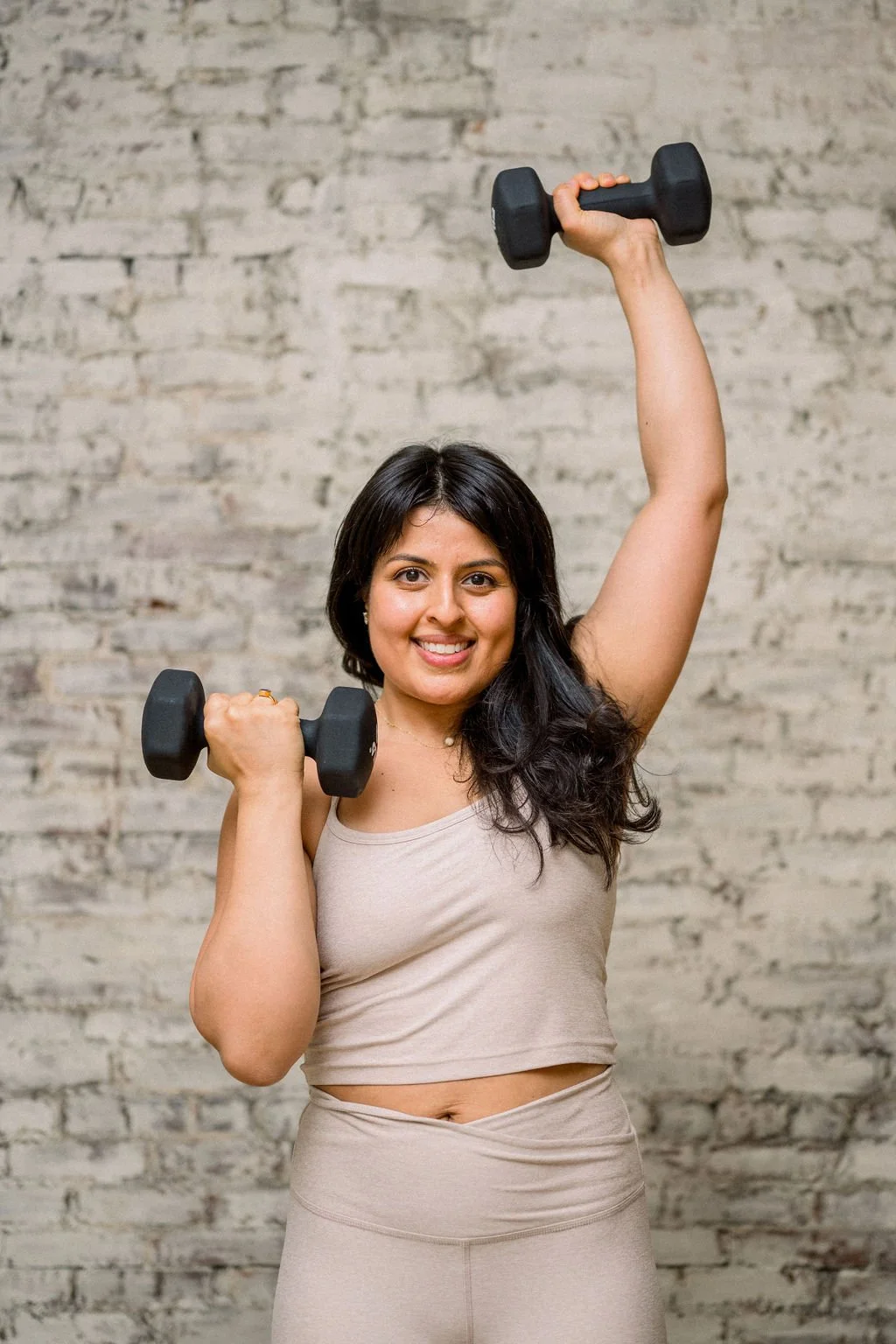
Your Body Isn’t Broken.
It Just Needs the Right Support
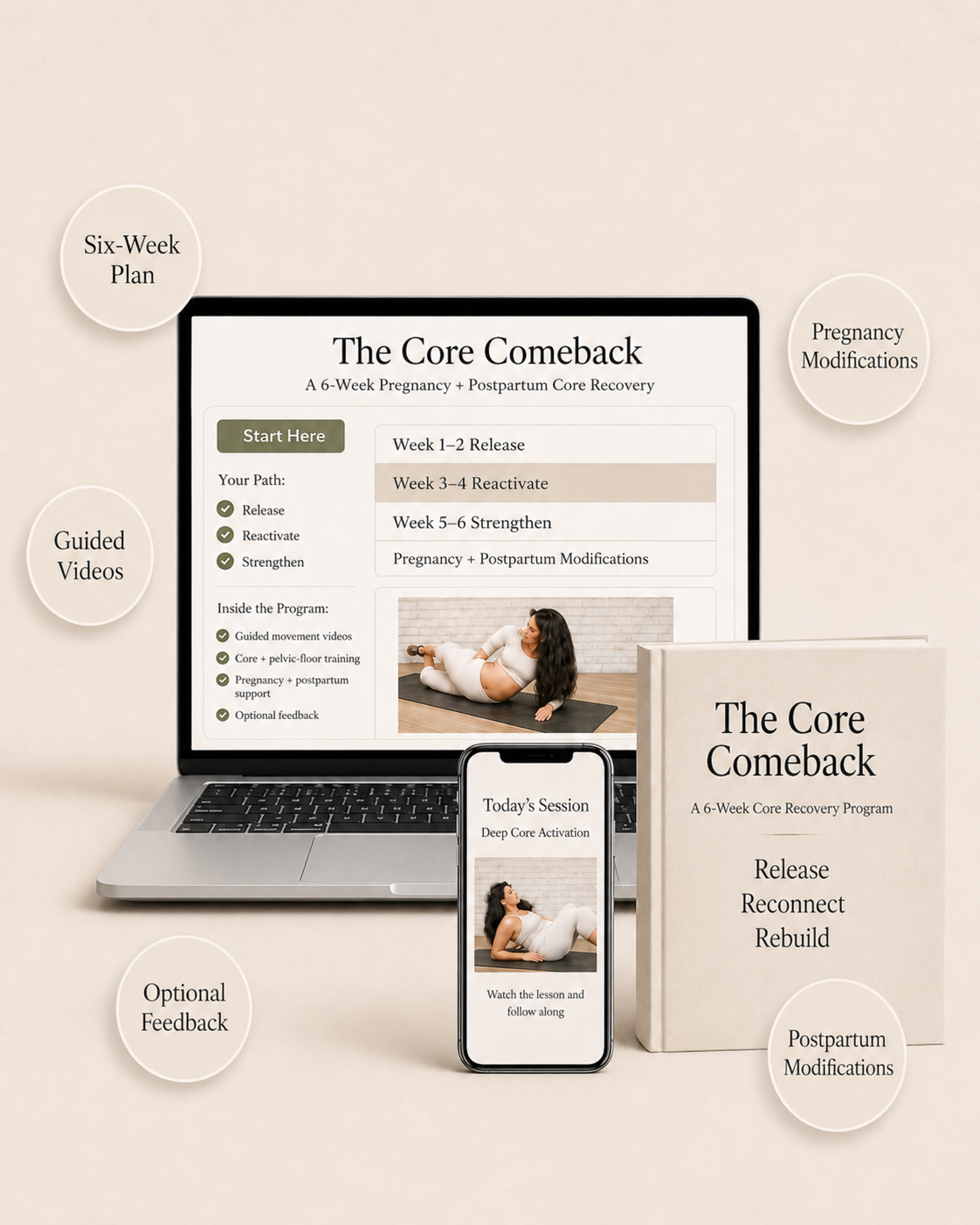
The Core Comeback is a six-week pregnancy and postpartum program that helps you ease discomfort, reconnect with your deep core, and rebuild strength. You’ll follow a clear progression designed to help you move and exercise with more confidence—without guessing or pushing through pain.
Release What’s Tight
Reconnect Your Core
Rebuild Your Strength
You’re in the Right Place If…
Pregnancy Hurts
Your back, hips, pelvis, or pubic bone are making everyday movement uncomfortable.
Your Core Feels Missing
You keep hearing “engage your core,” but you’re not sure what that actually means.
Workouts Feel Risky
You want to exercise, but you’re afraid of making your pain, pressure, or diastasis worse.
You’re Ready to Return
You want to lift, walk, run, or take classes again—but you need a safe place to begin.
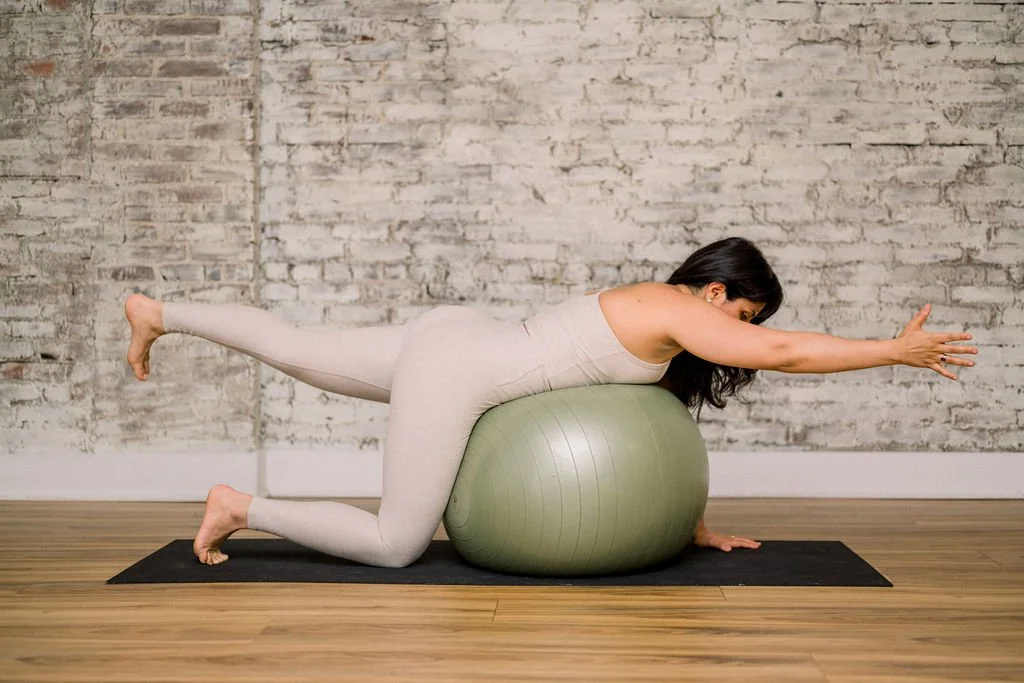
Start Gently. Build Steadily.
-
Learn what may be contributing to your discomfort and begin reducing tension in muscles that are tight, gripping, or overworking.
Start with short, manageable daily movements.
-
Reconnect with your breath, deep core, pelvic floor, hips, and pelvic girdle.
Learn what core activation should actually feel like during everyday movement.
-
Combine deep-core control with squats, deadlifts, lifting patterns, and functional exercises.
Progress toward four structured workouts per week as your comfort and confidence improve.
Everything You Need to Stop Guessing and Start Rebuilding
Six Weeks of Progressive Routines
A clear path that develops as your comfort and strength improve.Short Foundational Movement Sessions
Begin with realistic daily movement rather than overwhelming workouts.Four Weekly Workouts by the Final Phase
Gradually return to structured full-body exercise.Pain and Movement Education
Understand your symptoms and learn which habits may be helping—or aggravating—them.Core and Pelvic-Floor Training
Learn how to activate and coordinate your muscles with better breathing and pressure management.Pregnancy and Postpartum Modifications
Adjust your movements based on your stage, symptoms, and current abilities.Self-Release and Flexibility Techniques
Learn practical ways to address tight and overworking muscles.Everyday Movement Strategies
Receive guidance for sitting, rolling, dressing, bending, and lifting.Functional Strength Exercises
Progress into squats, deadlifts, lifting patterns, and smart sculpt movements.Optional Video Feedback
Submit videos for feedback on core activation and compound exercise form.
I Built the Plan I Wish I Had
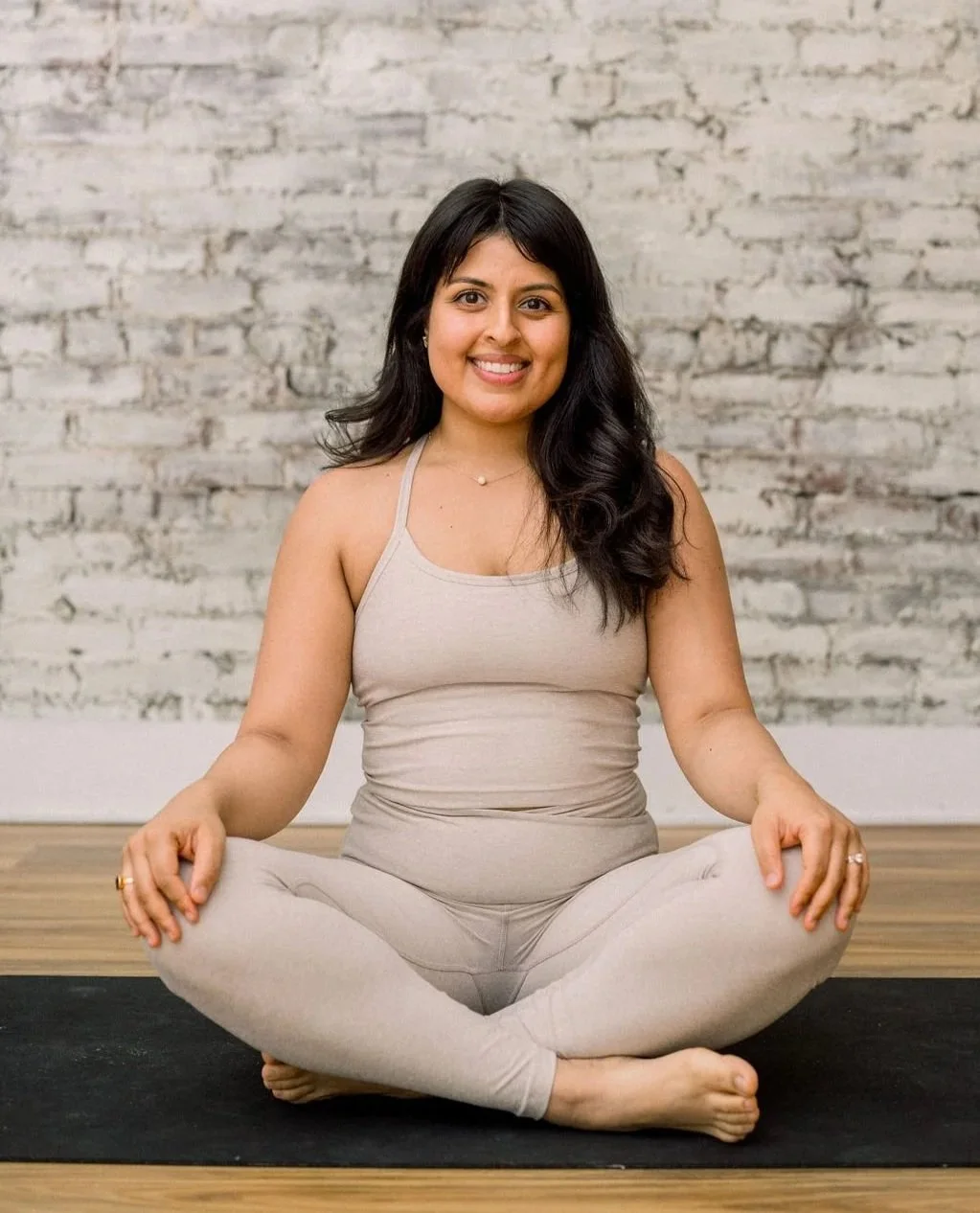
Before pregnancy, working out was where I went to feel strong and grounded.
Then nausea stopped me in my tracks. When I finally tried exercising again, back and tailbone pain made everything feel worse.
After birth, I experienced pain with sitting, sex, and working out. My body no longer felt like mine.
What finally helped wasn’t pushing harder.
I learned how to release the muscles that were overworking, reconnect with my deep core, and rebuild strength in the right order.
By my second pregnancy, I had a plan—and the experience felt completely different.
I combined that personal journey with more than a decade of treating pregnant and postpartum women to create The Core Comeback.
It is the clear, progressive plan I wish I had from the beginning.
10+ Years of Experience
Physical Therapist
Pregnancy + Postpartum Specialist


Real Women. Real Progress.
INTRODUCING
The Core Comeback
A Simple Six-Week Path Back to Stronger, More Confident Movement
This is not a giant workout library where you scroll through hundreds of videos and hope you choose the right one.
It is a guided progression that shows you what to focus on first—and how to build from there.
You’ll learn how to reduce tightness, activate your deep core, protect your changing body, and progress into functional, full-body strength.
A few strategic movements can be more useful than pushing through another workout that doesn’t feel right.
6 weeks of physical therapy 3x a week ($4500 value)
1 massage per week ($900 value)
You'll be getting this entire program which includes all of these techniques for only: $497
For a limited time you can get this course for only
$99

Imagine Feeling Like Yourself in Your Body Again
You don’t need another random workout.
You need a clear path forward.
$99
End of new sections
You Want to Feel Strong Again—
But Every Movement Seems to Hurt
A six-week pregnancy and postpartum program that helps you reduce pain, reconnect with your deep core, and safely rebuild your strength.
Maybe rolling over in bed hurts.
Getting dressed, lifting your baby, walking, or working out feels harder than it should.
You know movement could help—but you are afraid of choosing the wrong exercises and making the pain, pressure, or weakness worse.
There is another way.
You do not need another random workout or giant video library.
You need a clear plan that teaches you what to release, how to activate your core, and how to progressively rebuild your strength.
Six-Week Program | $197
You Want to Feel Strong Again—
But Every Movement Seems to Hurt
A six-week pregnancy and postpartum program that helps you reduce pain, reconnect with your deep core, and safely rebuild your strength.
Maybe rolling over in bed hurts.
Getting dressed, lifting your baby, walking, or working out feels harder than it should.
You know movement could help—but you are afraid of choosing the wrong exercises and making the pain, pressure, or weakness worse.
There is another way.
You do not need another random workout or giant video library.
You need a clear plan that teaches you what to release, how to activate your core, and how to progressively rebuild your strength.
Six-Week Program | $197
Move With Ease
·
Rebuild Strength
·
Stronger Every Day
·
Release Tension
·
Feel Like You
·
Return with Confidence
·
Move With Ease · Rebuild Strength · Stronger Every Day · Release Tension · Feel Like You · Return with Confidence ·
Does This Sound Familiar?
-
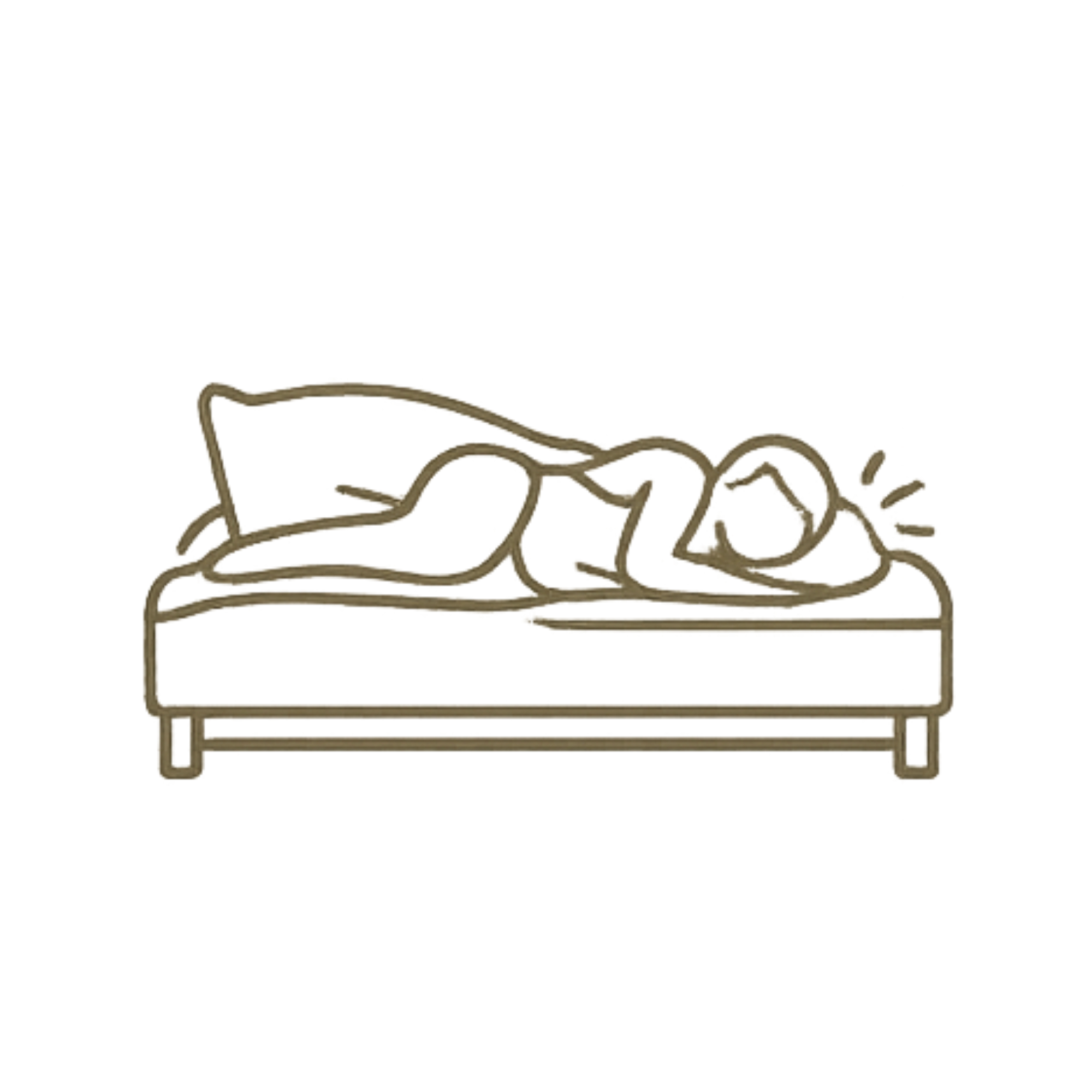
Rolling Over Hurts
You brace yourself before turning over or getting out of bed.
-
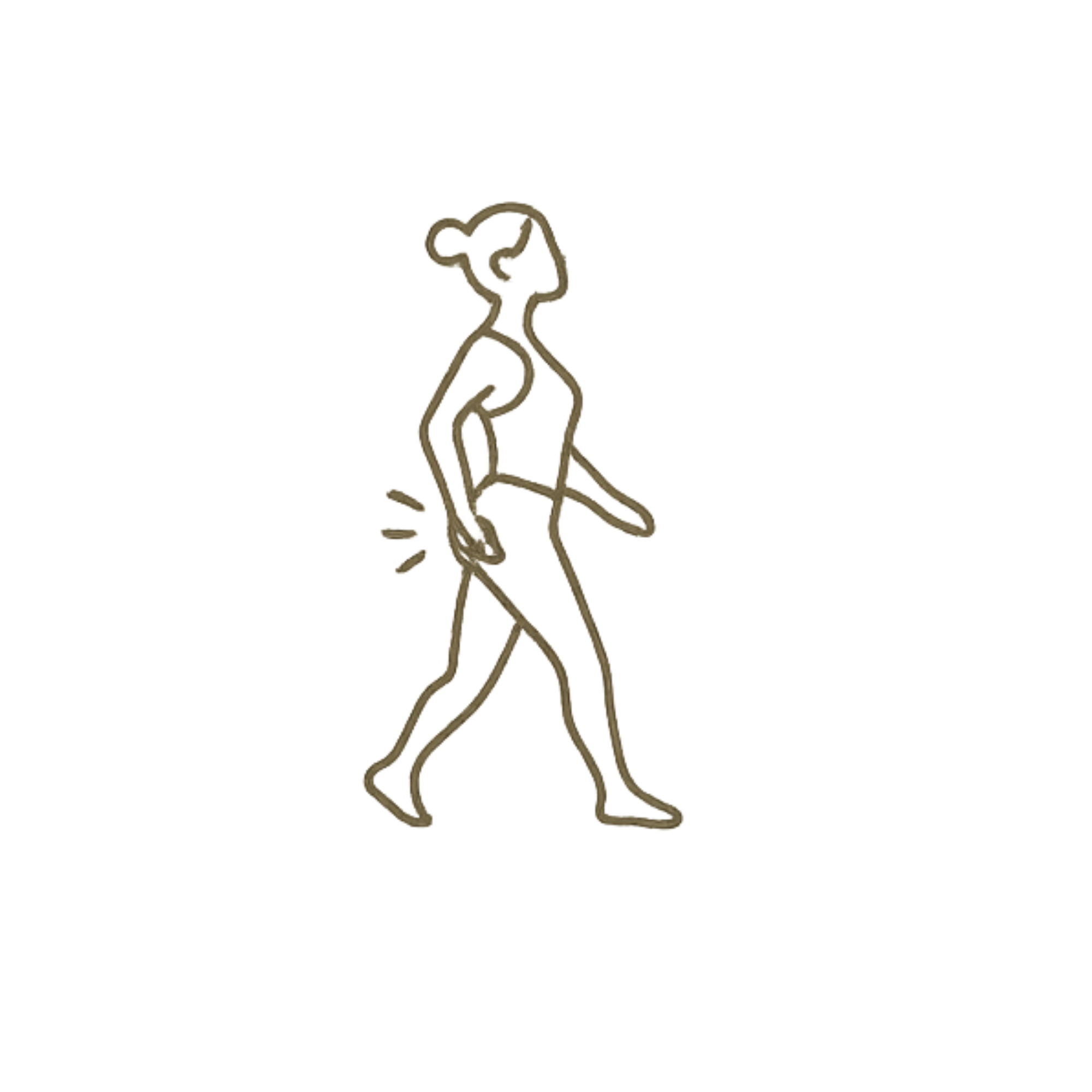
Walking Feels Harder
Your back, hips, pelvis, or pubic bone become painful the longer you move.
-
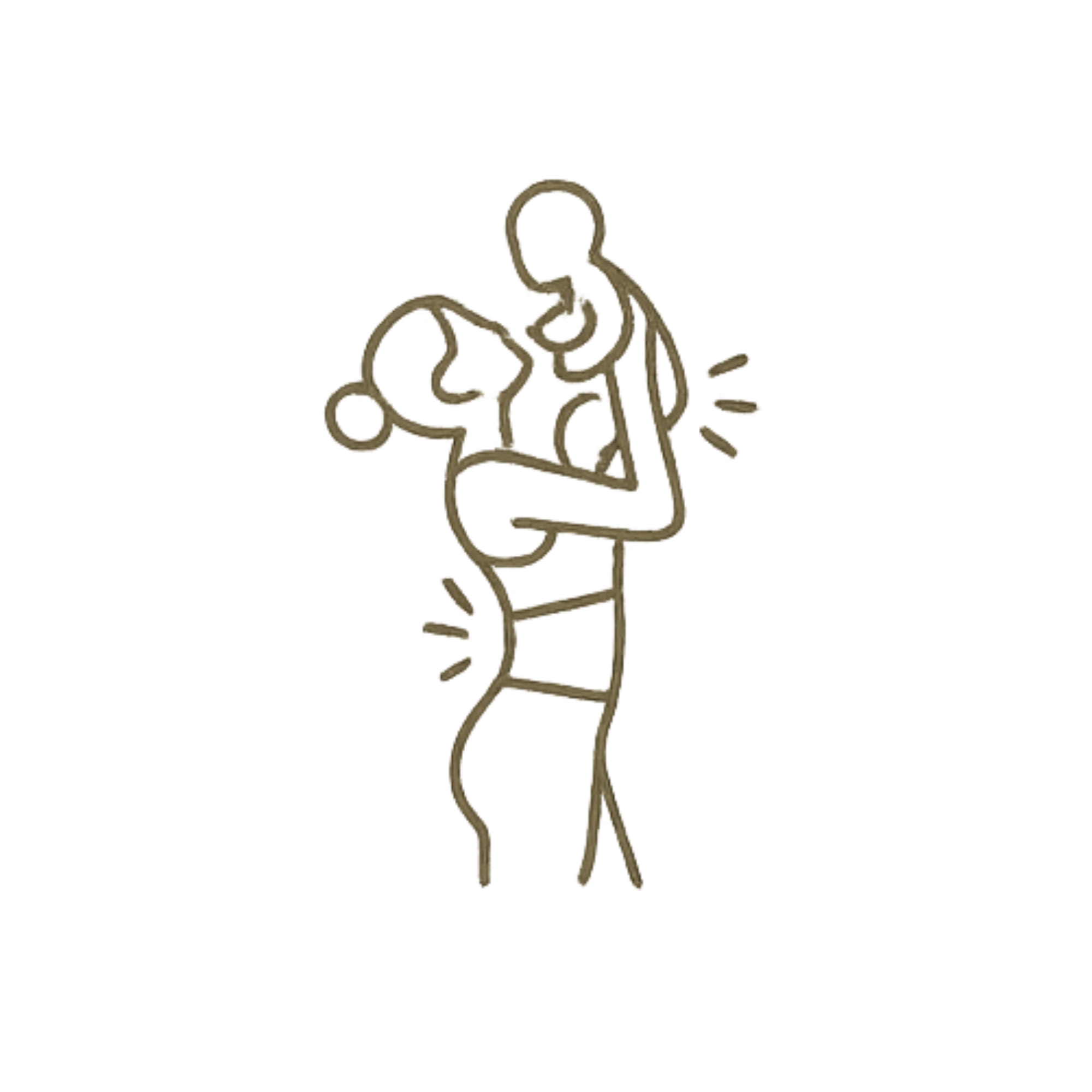
Lifting Causes Pain
Picking up your baby, groceries, or laundry puts pressure through your back or core.
-
Your Core Feels Missing
You have been told to “engage your core,” but you cannot tell whether you are doing it correctly.
-
Workouts Feel Risky
You want to exercise, but you are afraid of worsening your pain, pressure, or diastasis.
-
Nothing Seems to Stick
You have tried stretching, yoga, Pilates, rest, or random exercises—but the relief never lasts.

Your Body May Need More Than Another Workout
When movement hurts, it is easy to fall into one of two patterns:
You push through exercises that do not feel right—or you stop moving because you are afraid of making things worse.
But pain during pregnancy and postpartum is rarely solved by one stretch, one core exercise, or one type of workout.
Your body may need a more strategic approach.
1. Release
Reduce tension in the muscles that are tight, gripping, and doing too much.
2. Reconnect
Learn how to use your breath, deep core, and pelvic floor together.
3. Rebuild
Gradually strengthen your core, hips, glutes, and full body so everyday movement feels more supported.
The goal is not to push harder. It is to help your body work better.
This Program Is for You If…
Pain is making everyday movement difficult
You want to exercise but do not know where to begin
Your core feels weak, disconnected, or difficult to activate
You experience pressure or discomfort during movement
Random online workouts have made you feel more confused
You are worried about worsening your diastasis or pain
You want pregnancy and postpartum modifications
You want a plan that progresses as your body becomes stronger
You are ready to feel more confident lifting, bending, walking, and working out

What’s Included

-
We will begin by helping you understand why pregnancy and postpartum pain can happen—and why simply pushing through it is not the answer.
Topics include:
Low-back pain
Pubic-symphysis pain
Hip and pelvic-girdle pain
Tailbone pain
Abdominal pain
Core and pelvic-floor weakness
Diastasis recti
Hernia considerations
Pushing, pressure, and recovery
You will also learn about options for addressing discomfort beyond exercise and why one style of movement cannot solve every problem.
-
Small movement habits can make a big difference in how your body feels.
You will learn practical ways to support your body while:
Getting in and out of bed
Sitting
Getting dressed
Bending
Lifting
Moving during pregnancy and postpartum
We will cover strategies such as log rolling, using your deep core during movement, improving sitting posture, and reducing unnecessary strain through your abdomen and pelvis.
You will also learn when support tools may be helpful, including:
Pregnancy belly bands
Postpartum compression garments
Other supportive options based on your stage and symptoms
-
Strengthening is important—but sometimes your body needs to relax before it can work correctly.
You will learn ways to reduce muscle tightness using:
Foam rollers
Massage balls
Massage sticks
Self-trigger-point release
Flexibility exercises
We will also discuss passive comfort options such as:
Biofreeze
TENS units
Epsom-salt baths
Magnesium cream
These tools are not meant to replace strength work. They can help calm irritated muscles so you can move and exercise more comfortably.
-
Many women are told to “engage their core” without ever being shown what that should actually feel like.
You will learn how to:
Breathe without creating unnecessary pressure
Activate your deep abdominal muscles
Coordinate your core and pelvic floor
Turn on the muscles supporting your pelvic girdle
Use your core during real-life movement
You will have the option to submit a video so your form and core activation can be reviewed.
No more wondering whether you are doing it correctly.
-
Once you can activate your core and move with less discomfort, we begin adding larger strengthening movements.
You will learn how to combine deep-core control with exercises such as:
Squats
Deadlifts
Lifting movements
Functional full-body exercises
Smart sculpting movements
You will also have the option to submit exercise videos for feedback as the movements become more advanced.
Because the goal is not just to feel your core while lying on the floor.
The goal is to use it while lifting, exercising, caring for your family, and moving through everyday life.
Stop Waiting for Your Body to “Just Get Better”
Time alone does not always rebuild strength.
And pushing through pain is not the same as making progress.
In this free training, you’ll learn what may be contributing to your back pain and how to begin supporting your body with a few simple, strategic movements.
You can start small.
You can move at your own pace.
And you can begin feeling stronger without spending hours working out.
Your comeback can begin with less than 10 minutes a day.